Introduction
Then security in most Nigerian offices meant two things, which are guards at the gate and a wall of CCTV screens in a back room, now in 2025, that old setup just doesn’t cut it anymore.
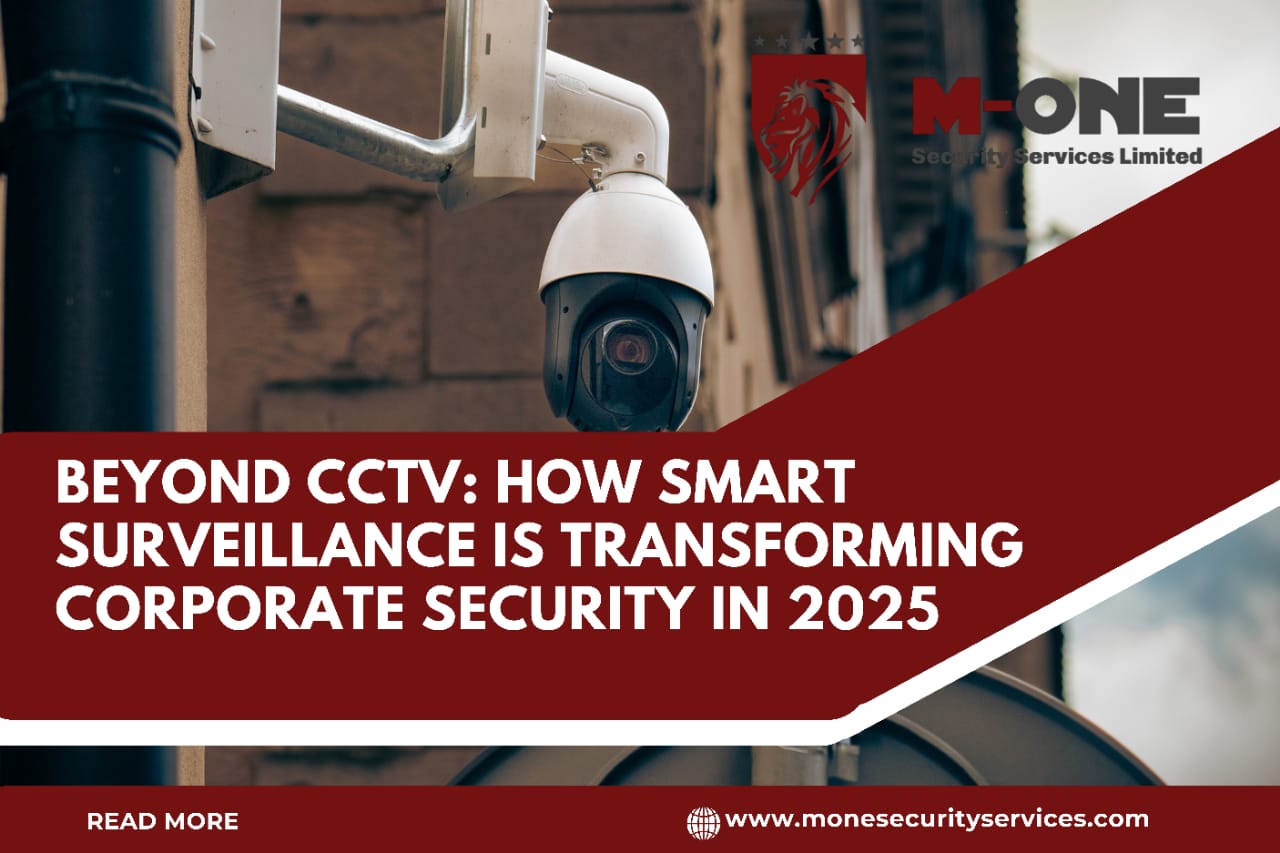
Today, security has gone smart, because cameras don’t just record, they think, detect movement patterns, identify risks before they happen and send alerts straight to your phone. It’s no longer about watching footage after something goes wrong, it’s about stopping trouble before it starts. Here’s how smart surveillance is transforming corporate security in Nigeria.
1. Nigerian Businesses Are Upgrading Their Security Game:
There are three big shifts that are now driving this transformation. Firstly, tech is cheaper and smarter, because it is solar powered and AI enabled cameras can now run even in areas with poor power supply. Secondly, connectivity has improved, the 4G, Wi-Fi and IoT networks make real time alerts possible even in remote locations. Thirdly, reputation has become everything, because one viral video of a security lapse can damage a brand faster than any physical loss, we can say modern security isn’t just about safety anymore, it’s about brand trust.
2. The Benefits of Smart Surveillance To Businesses:
Nigerian companies are upgrading because there are fewer false alarms and AI now filters out irrelevant motion, so teams can focus on real issues. In fact, there are faster response time, because alerts reach staff in seconds, not hours. Besides there is cost efficiency, due to the fact that fewer guards are now chasing false leads and more strategic patrols where it matters. Meanwhile, there is also insurance benefits which are reliable logs and evidence make claims easier and faster. It is important to prevent viral chaos before it ever hits social media.
3. The Shift from Watching to Understanding:
The CCTV is smarter, faster and way more intuitive, instead of endlessly recording hours of footage that no one ever reviews until after an incident, these systems now interpret what’s happening in real time. For instance, someone lingers too long by your company gate, the system doesn’t just film them, it recognizes abnormal behavior, captures their face or movement pattern and automatically alerts the control room. These aren’t just cameras, they’re part of a connected command network because modern surveillance now links with access control system, fire and smoke detectors, alarm systems, and even HR attendance and visitor logs.
4. The Future Is Human And Machine:
The truth is even the smartest camera is useless without a smart team behind it, technology can spot movement, match faces, and raise alerts, but only humans understand context. A camera might see a man pacing near a car park, a human recognizes he’s waiting for a rideshare, not casing the place. That’s where collaboration comes in, because when security, communications, and management teams work together, incidents don’t just get manage, they get prevented, contained and communicated properly. The security team keeps people safe and in the end, it’s not the gadgetry that protects a company’s reputation, it’s how smartly humans use it.
Conclusion
Smart surveillance is not a silver bullet, but when deployed thoughtfully, it changes the security equation for Nigerian businesses. It reduces noise, focuses human guards on real threats and provides verified evidence rapidly, all of which protect people and reputation. Crucially, success depends as much on governance, human workflows and legal compliance as it does on cameras and algorithms. It has already been noted that privacy and automated decision making matter and pair smart tech with clear policies, human oversight and transparent communication will transform CCTV from a passive recorder into an active, which is part of accountable risk management tool.