Introduction
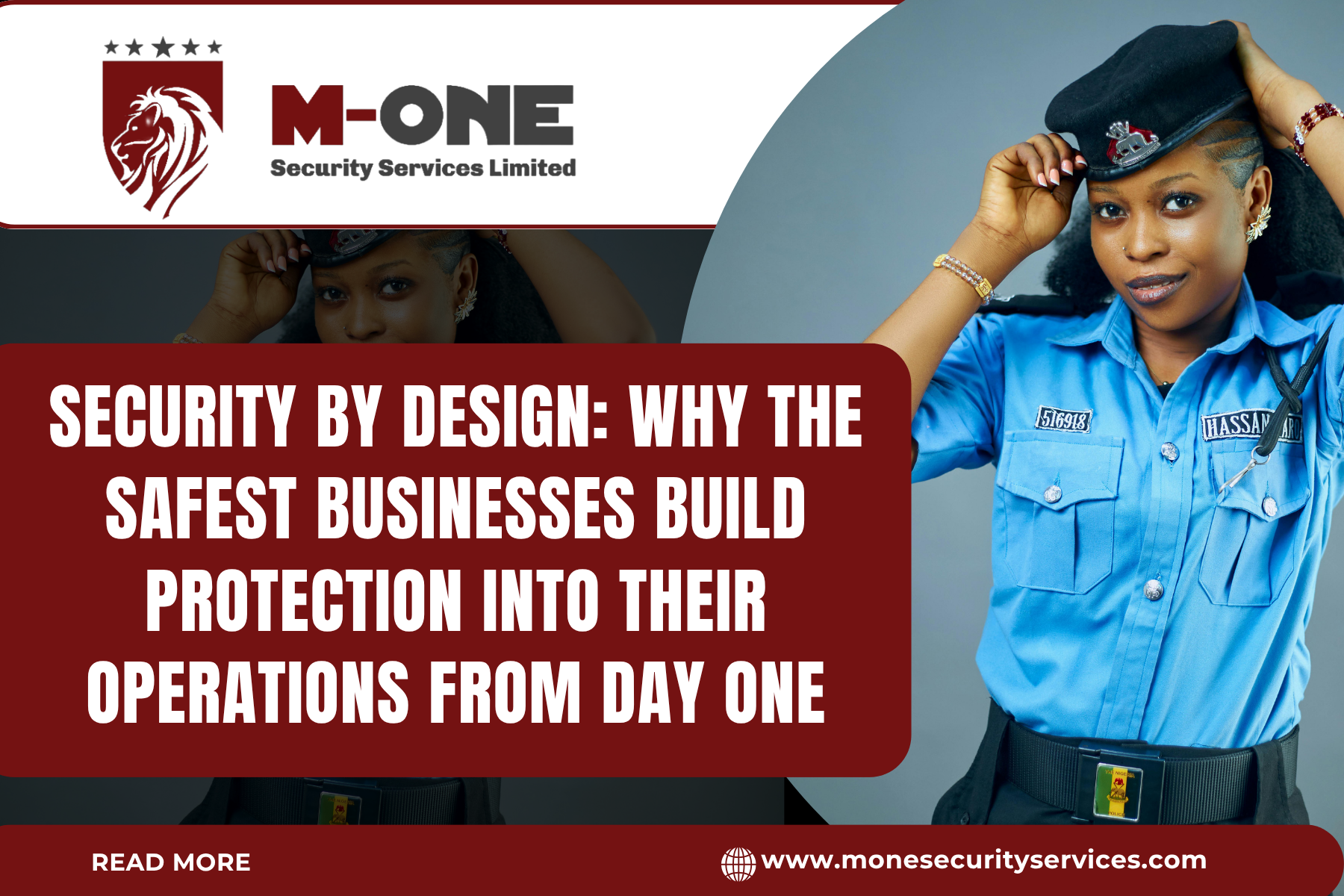
Many organisations still treat security as a response to incidents rather than an essential part of their everyday operations. However, modern businesses are increasingly recognising that the most effective way to reduce risk is to build security into their processes, facilities, technology, and workplace culture from the very beginning. By adopting a proactive “Security by Design” approach, organisations can prevent costly incidents, protect their people and assets, and create a safer environment that supports long term business success. Here is why the safest businesses build protection into their operations from day one
1) Prevention Is More Effective Than Reaction:
Preventing security incidents before they occur is far more effective and cost efficient than responding after damage has already been done. Identifying potential vulnerabilities during the planning stage allows businesses to implement protective measures that minimise operational disruptions, financial losses, and reputational harm. A proactive security strategy enables organisations to stay ahead of threats rather than constantly reacting to them.
2) Security Should Be Part of Every Business Process:
Security is most effective when it is integrated into everyday business activities such as recruitment, visitor management, procurement, information handling, and facility operations. Embedding security procedures into routine workflows helps organisations reduce vulnerabilities without affecting productivity or customer experience. This approach creates a stronger security culture where protection becomes a natural part of how the business operates.
3) Employees Are the First Line of Defence:
Well trained employees play a critical role in identifying potential risks, following security procedures, and responding appropriately to suspicious activities or emergencies. Regular security awareness training equips staff with the knowledge and confidence needed to protect both organisational assets and sensitive information. When employees understand their responsibilities, they become valuable partners in maintaining a safe and secure workplace.
4) Technology Is Most Effective When Planned Early:
Security technologies such as surveillance systems, access control solutions, biometric authentication, and cybersecurity measures deliver greater value when they are incorporated into business planning from the outset. Early integration allows these systems to work together efficiently, improves operational effectiveness, and reduces the need for expensive upgrades later. A well planned technology strategy strengthens both physical and digital security across the organisation.
5) Security Protects Business Reputation as Well as Assets:
Strong security practices not only safeguard people, property, and confidential information but also strengthen public confidence in the organisation. Customers, investors, employees, and business partners are more likely to trust companies that demonstrate a clear commitment to protecting their operations and stakeholders. Maintaining high security standards enhances brand reputation and supports sustainable business growth in an increasingly risk-conscious environment.
Conclusion
Security by Design is a proactive approach that helps organisations build protection into every aspect of their operations rather than treating security as an afterthought. By prioritising prevention, integrating security into business processes, empowering employees, investing in well planned technology, and protecting organisational reputation, businesses can create safer workplaces and reduce long term risks. In today’s business environment, building security from day one is not just a protective measure, it is a strategic investment in resilience, trust and sustainable success.